Most changes in your vision are caused by common, treatable issues such as tiredness, dry eye, or changes in your glasses or contact lens prescription. However, sudden vision loss in one eye is different and should always be taken seriously.
Certain weight loss medications and diabetes treatments have been increasingly linked to a rare eye condition called Non-Arteritic Anterior Ischemic Optic Neuropathy (NAION),
This article explains what NAION is, what symptoms to look out for, what to do if you notice sudden changes in your vision, and we will also discuss the links between weight loss drugs and NAION.
Can Weight Loss Medications Affect Eye Health?
NAION is a rare condition (often estimated at around 2–10 cases per 100,000 people per year). Health authorities have advised that the potential risk linked to semaglutide appears to be extremely small, but anyone experiencing sudden vision loss in one eye should seek urgent medical assessment.
Let's first look at what exactly NAION is, and then look at the link between weight loss medications and NAION
What Is Non-Arteritic Anterior Ischemic Optic Neuropathy (NAION)?
NAION stands for Non-Arteritic Anterior Ischemic Optic Neuropathy.
NAION refers to a condition where the blood supply to the optic nerve (the nerve at the back of the eye that carries visual information from the eye to the brain) becomes blocked. This loss of blood supply deprives the optic nerve of oxygen, causing swelling of the optic disc and damage to all or part of the nerve. This can lead to sudden, painless vision loss in one eye.
These changes can be seen by your optometrist or eye doctor when they examine your eyes.
Fortunately, NAION is considered rare, but it is a recognised cause of sudden vision loss.
Signs And Symptoms Of NAION
NAION is usually painless, so it's important to be aware of the most common signs to look for:
- Sudden blurred or reduced vision in one eye
- A new blind spot or missing area in your vision
- A shadow or “grey patch” in part of your visual field (your vision above, below, and to the sides of an object you’re looking at)
- Vision changes in one eye were noticed on waking
Often, vision changes can happen while you are sleeping. So, waking up and realising that the vision in one of your eyes is not "normal" should not be ignored.
When To Seek Medical Attention For NAION?
If you notice the following symptoms, seek URGENT medical assessment from your local A and E department:
- Sudden loss of vision in one eye
- A new shadow, curtain, or missing area of vision
- Sudden severe blur that does not improve with blinking
- Sudden vision changes with a new headache or scalp tenderness
- Flashes of light with a sudden increase in floaters (especially if one-sided)
What To Do If You Notice Sudden Vision Loss In One Eye?
If you experience sudden vision loss in one eye, you should seek medical help immediately. Don't delay, seek help today.
This means go straight to an Eye Casualty department if you have one locally, alternatively, if you are in the UK go directly to A&E. You should not wait for an appointment with your optometrist or GP.
If you are outside the UK, seek emergency ophthalmology care locally.
Why Does NAION Require Urgent Assessment?
Any sudden vision loss in one eye needs immediate treatment. A specialist will need to rule out a number of conditions such as:
- A retinal detachment
- A retinal blood vessel blockage
- Optic neuritis
- A more serious inflammatory condition called giant cell arteritis
Even if the cause turns out not to be NAION or any of the above conditions, it is important that you get any vision loss checked promptly.
What Is The Treatment For NAION?
Unfortunately, there is no specific single treatment that can restore vision for people who experience NAION. Health care professionals' management of the condition focuses on:
- Confirming the diagnosis
- Ruling out other conditions requiring urgent treatment
- Addressing underlying risk factors (such as blood pressure, diabetes, cholesterol levels, and sleep apnea)
- Monitoring the health of the other eye
Some people experience partial improvement in their vision over time, but this is not guaranteed and varies.
What's The Link Between Weight Loss Medication And Vision Loss (NAION)?
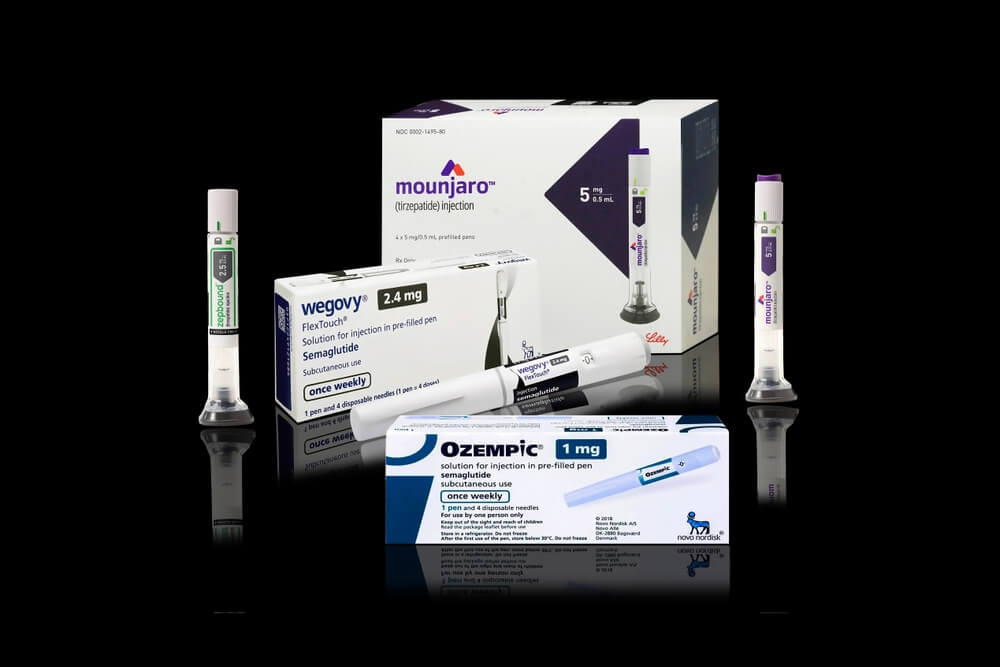
Some health authorities have highlighted a possible link between an increased risk of NAION and weight loss medications containing semaglutide (used in treatments such as Ozempic and Wegovy). It is important to keep this in perspective:
- NAION remains very rare
- Most people taking these medications do not experience serious eye problems
The link between weight loss medications and vision loss—specifically Non-Arteritic Anterior Ischemic Optic Neuropathy (NAION), is still being studied. NAION occurs when blood flow to the optic nerve is reduced, leading to sudden, painless vision loss, normally in one eye.
Some widely used weight loss medications, particularly GLP-1 based drugs, such as Ozempic and Wegovy, can cause rapid changes in blood sugar, blood pressure, and circulation.
In people who already have risk factors such as
- Diabetes
- High blood pressure,
- Sleep apnea, or
- Small optic nerve
may have an increased vulnerability to NAION, and the use of such medication may increase that risk.
It's important to note that current research shows only an association, not definite proof of cause, so awareness and early symptom recognition are important.
The NAION warning is mainly to encourage people to seek urgent assessment if sudden vision loss occurs. If you are taking semaglutide (or similar medications) and have concerns, it is best to discuss them with your GP, prescribing clinician, or optometrist.
Do All Weight Loss Medications Carry The Same Eye Risk?
No. Many modern weight loss medications fall into two major categories:
- GLP-1 receptor agonists (such as Semaglutide) - Ozempic and Wegovy belong to this group of medicines
- Dual GIP/GLP-1 receptor agonists (such as Tirzepatide) - Mounjaro belong to this group of medicines
The increased risk of NAION has been reported specifically with Semaglutide so far. Tirzepatide has not yet been given the same regulatory warning, although this could be because it is a newer drug.
Long-term eye safety data are still accumulating, so doctors are showing caution in patients with existing optic nerve risk factors.
Side effects for both medications can be similar and mainly involve the digestive system. Individual responses and reactions to medication can vary. Choosing between them depends on your medical history, goals, and professional medical advice.
Key Differences Between Semaglutide And Tirzepatide
Both medications are used for diabetes and weight loss, however, they work a little differently.
Semaglutide targets a single hormone (GLP-1) that helps to control blood sugar, slow digestion, and reduce appetite.
Tirzepatide targets two hormones (GLP-1 and GIP), which may lead to greater weight loss and stronger blood sugar control for some people.
Contact Lenses And Sudden Vision Loss
Contact lenses can cause discomfort, dryness, and irritation, but sudden loss of vision in one eye is not a typical contact lens issue.
If you experience sudden vision loss:
- Remove your lenses
- Do not attempt to continue wearing them
- Seek urgent assessment at an Eye Casualty department, or A&E